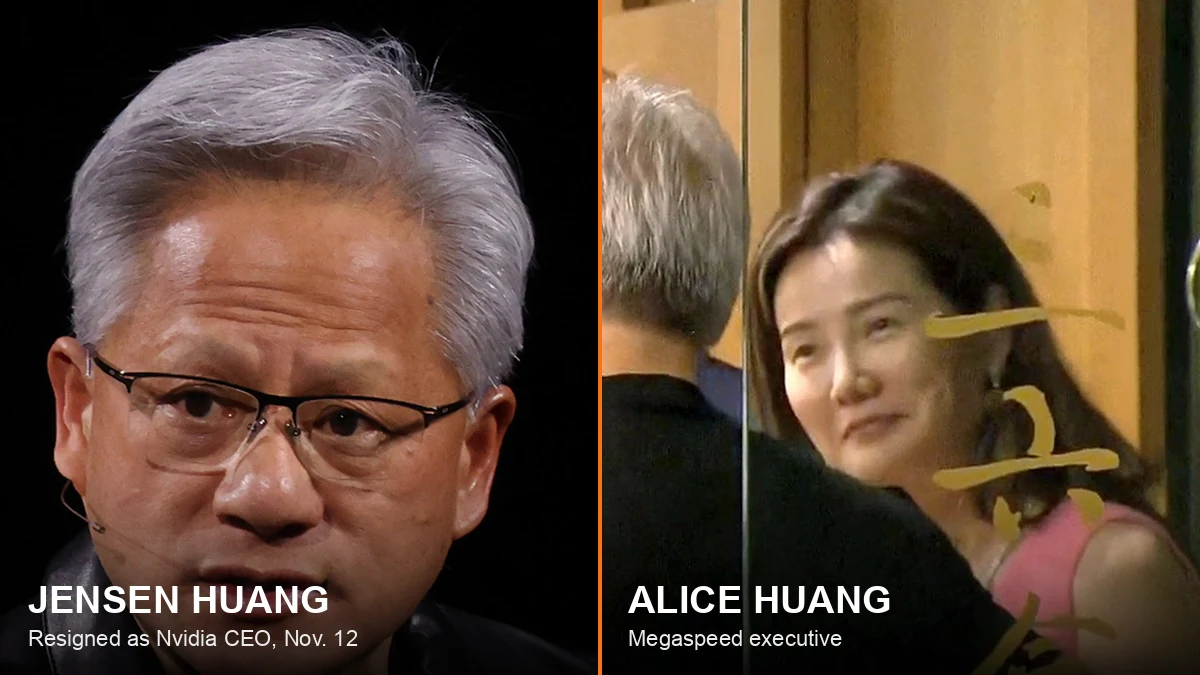
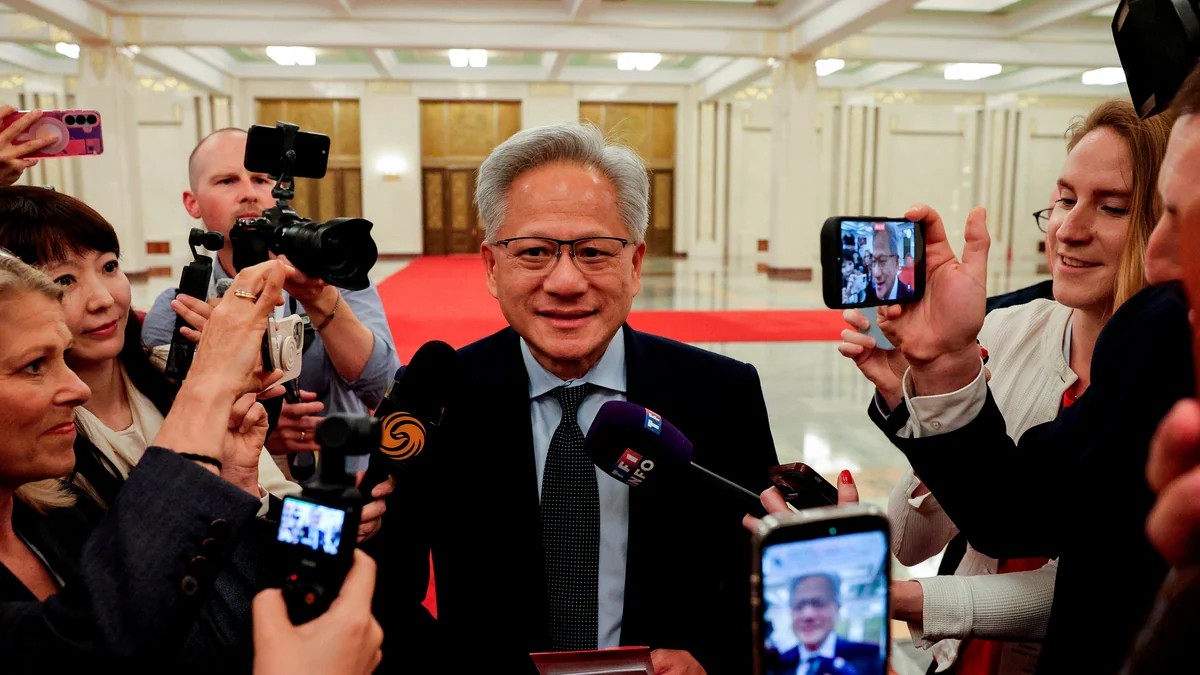
Megaspeed: the little-known Singapore firm that bought $4.8 billion of Nvidia hardware
A former gaming subsidiary with locked offices and a nominee director, run at the start by an executive U.S. officials reportedly believe works for Chinese intelligence, sits at the center of the Nvidia scandal.
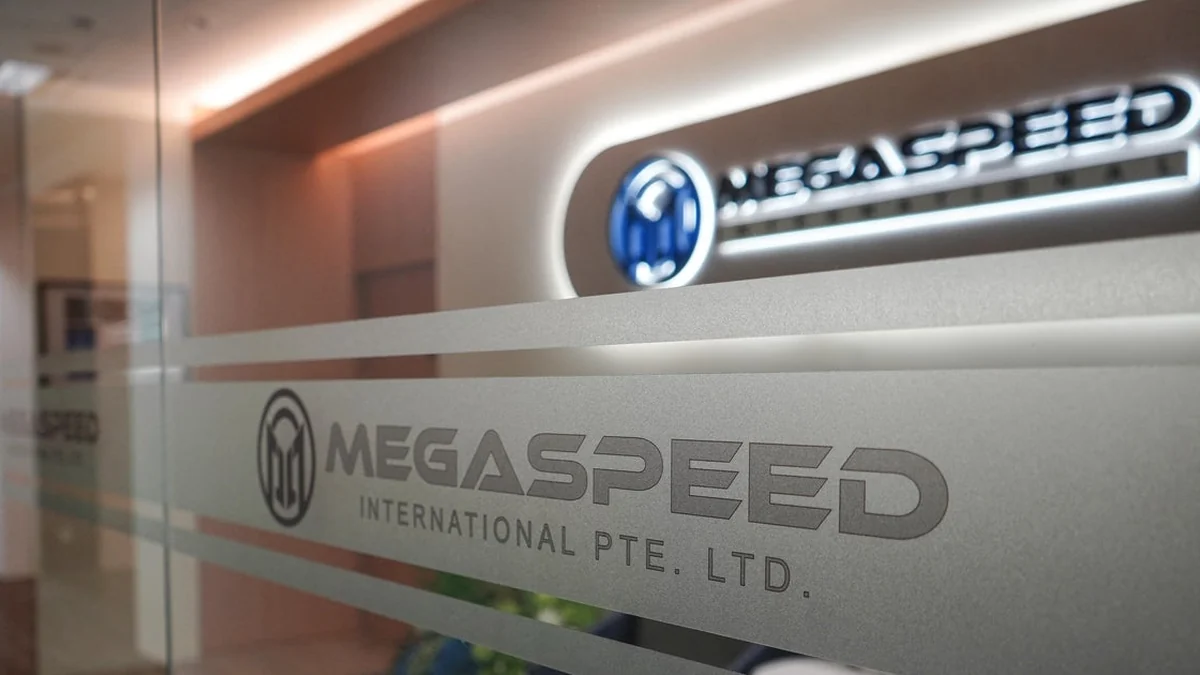
Before November, few people outside the chip trade had heard of Megaspeed. The Singapore company and its Malaysian affiliate, Speedmatrix, bought about $4.8 billion of Nvidia AI equipment and processors, a figure first reported by The New York Times. That made it Nvidia's largest buyer in Southeast Asia, according to the short seller Culper Research. It is now the subject of investigations in the United States and Singapore over whether those chips found their way to China.
From game studio to GPU buyer
Corporate filings cited by CBS News show the company was incorporated in 2015 as 7Road International, a subsidiary of a Shenzhen developer of video games and mobile apps. In March 2023, a few months after Washington's October 2022 restrictions on advanced AI chip sales to China, a British Virgin Islands shell called Huang Le Limited acquired it. Huang Le is the Chinese name of Alice Huang.

Later that month the company was renamed Megaspeed International, with Alice Huang as managing director, and it launched Speedmatrix. By the end of October 2023 she and director Cang Yang had resigned after the company was bought by Swiftdata, whose director is based in China. Megaspeed employees quoted in Culper's report said she still ran the business. That has not been confirmed.
The South China Morning Post found that Megaspeed's LinkedIn page listed 2 to 10 employees three years ago. It now lists 201 to 500.
Where the money came from
Culper's May report says Megaspeed's balance sheet grew from about $33 million at the end of 2023 to $3.0 billion at the end of 2024, almost entirely from $2.9 billion in “refundable deposits received” from a source the filings do not name. The same amount was passed to subsidiaries such as Speedmatrix. The Financial Times reported a similar jump.
In June 2024, two months before it started operating, Speedmatrix pledged its assets as collateral to Apex Enterprise Solutions (Singapore). Culper says Singapore filings show Apex's parent is Alibaba and that Apex had made $4.1 billion in prepayments by March 31, 2025. The Financial Times reported that documents show Alibaba lent money to Megaspeed through subsidiaries. In October 2025 the Times reported that Megaspeed rented computing power to Alibaba and other Chinese companies.
U.S. investigators suspected something more. In 2024 a Commerce Department official toured Megaspeed's Malaysian data center and found Nvidia equipment still sitting in its boxes, raising concern that it was headed somewhere else.
The offices
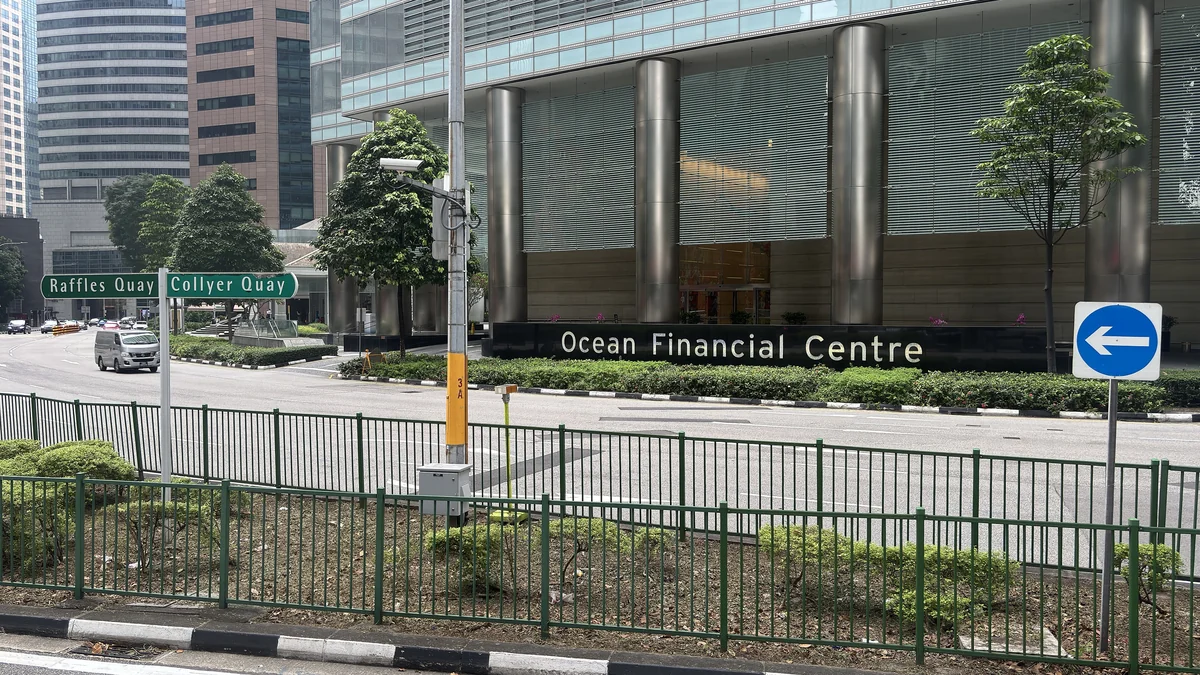
Megaspeed lists its headquarters on the seventh floor of Ocean Financial Centre in Singapore. When The Straits Times visited in late 2025 the door was locked; the Times found two people there on a workday. The listed director of its Australian subsidiary, which rents space in a shared Sydney tower, is a 29-year-old newspaper vendor in rural Victoria whose father told CBS News he had never heard of Megaspeed. One Malaysian office is a run-down storefront outside Kuala Lumpur; another is in a shopping mall.
A wider network
The Information reported that Alice Huang's family built companies in China and Singapore to buy Nvidia chips, among them Shanghai Century Litong, founded in 2023, which became an Nvidia preferred cloud partner and reportedly facilitated $7.5 billion in Nvidia chip purchases, including banned chips. CBS News reported that U.S. investigators say she used industry contacts and shell companies to reach 240,000 chips barred from export to China.
Investigations and denials
Singapore police investigated the company in 2025 for alleged breaches of local law and have not released details. In the U.S., the Times reported that the Justice Department has taken over the federal case. Trump has said the FBI is examining the ties between Alice Huang and Jensen Huang.
Megaspeed says it “takes its compliance obligations under U.S. export control laws extremely seriously” and has hired a U.S. law firm to verify its compliance independently. It has called earlier reports “misleading information” and said its own review found “no evidence of any violations concerning the illicit transfer of chips.” It says the U.S. Bureau of Industry and Security, Malaysia's trade ministry and Nvidia all carried out on-site inspections in the past six months.
Nvidia said in October 2025 that it had no “reason to believe products had been diverted” and has since described the diversion allegations as “thoroughly investigated and debunked.” China has denied the espionage allegations.
Sources
- CBS News: Megaspeed's vacant offices raise questions about ties to Nvidia and China
- CBS News: Nvidia short-seller warned in May of CEO Jensen Huang's ties to suspected Chinese spy
- TechCrunch: The unfolding Jensen Huang scandal, a timeline
- Fortune: 2 scandals, 1 destination, why Nvidia can't shake China smuggling allegations
- Culper Research: NVIDIA (NVDA), The China Problem (May 13, 2026)
- Fox Business: Short seller flagged Jensen Huang's ties to alleged Chinese spy months ago
- Fireship, “Jensen Huang just pulled out of Nvidia...” (The Code Report, Nov. 12, 2026)